
Your team is juggling WhatsApp campaigns across multiple inboxes, and replies are slipping through the cracks. That breakdown is exactly why most bulk messaging tools fail once you add more than one agent. This article cuts through the noise with the eight platforms that actually handle team collaboration, not just mass sends.
You'll get a concrete checklist for evaluating bulk messaging capabilities, compliance, and shared inbox tools. Then you'll see a head-to-head breakdown of each platform, including why Com.bot takes the top spot with its unified team inbox and automation. By the end, you'll know which option fits your team's workflow and which one to avoid.
What to Look For in WhatsApp Bulk Messaging Platforms With Team Collaboration
Finding the right WhatsApp bulk messaging platform with team collaboration means balancing automation power with compliance and shared inbox features. The best tools combine reliable bulk send capacity with strict opt-in enforcement so your campaigns stay safe and effective.
You also need multi-user access with role-based permissions so agents can work together without stepping on each other. Look for a platform that offers both a robust message sender engine and a unified inbox for customer conversations.
Core Bulk Messaging Capabilities and Compliance
A solid bulk messaging platform must handle high-volume sends with template approval and strict opt-in enforcement. Message templates need pre-approval through the WhatsApp Business API, so pick a tool that simplifies the submission and review process.
Compliance is non-negotiable. The platform should support opt-in consent management and help you follow GDPR and anti-spam policies. Without these guardrails, your account risks being flagged or banned entirely.
Look for delivery reports and click-through rate tracking to measure campaign success. These analytics show which messages actually reach customers and which ones drive engagement.
Consider API rate limits and message queue handling. A good platform queues sends intelligently to avoid throttling, ensuring your broadcast list gets processed smoothly. Dynamic fields for message personalization also matter, letting you insert names or order details automatically.
Team Collaboration and Inbox Management Tools
Team collaboration features turn a simple sender into a full customer support hub. A shared inbox gives every agent a unified view of customer conversations, so nothing gets lost between team members.
Multi-user access with role-based permissions keeps workflows organized. Admins can control who sends broadcasts, who replies to chats, and who edits contact management settings.
Conversation history and tag management help teams stay context-aware. When a customer replies, agents see past interactions and can pick up where the last conversation ended.
Agent assignment routes messages to the right person automatically. This reduces response times and prevents duplicate replies. CRM integration adds another layer of context, pulling in customer data so agents personalize every touchpoint.
These tools work best together. A platform with campaign analytics plus shared inbox features lets your team run targeted WhatsApp Business API campaigns and handle the follow-up conversations in one place.
1. Com.bot - Best Overall
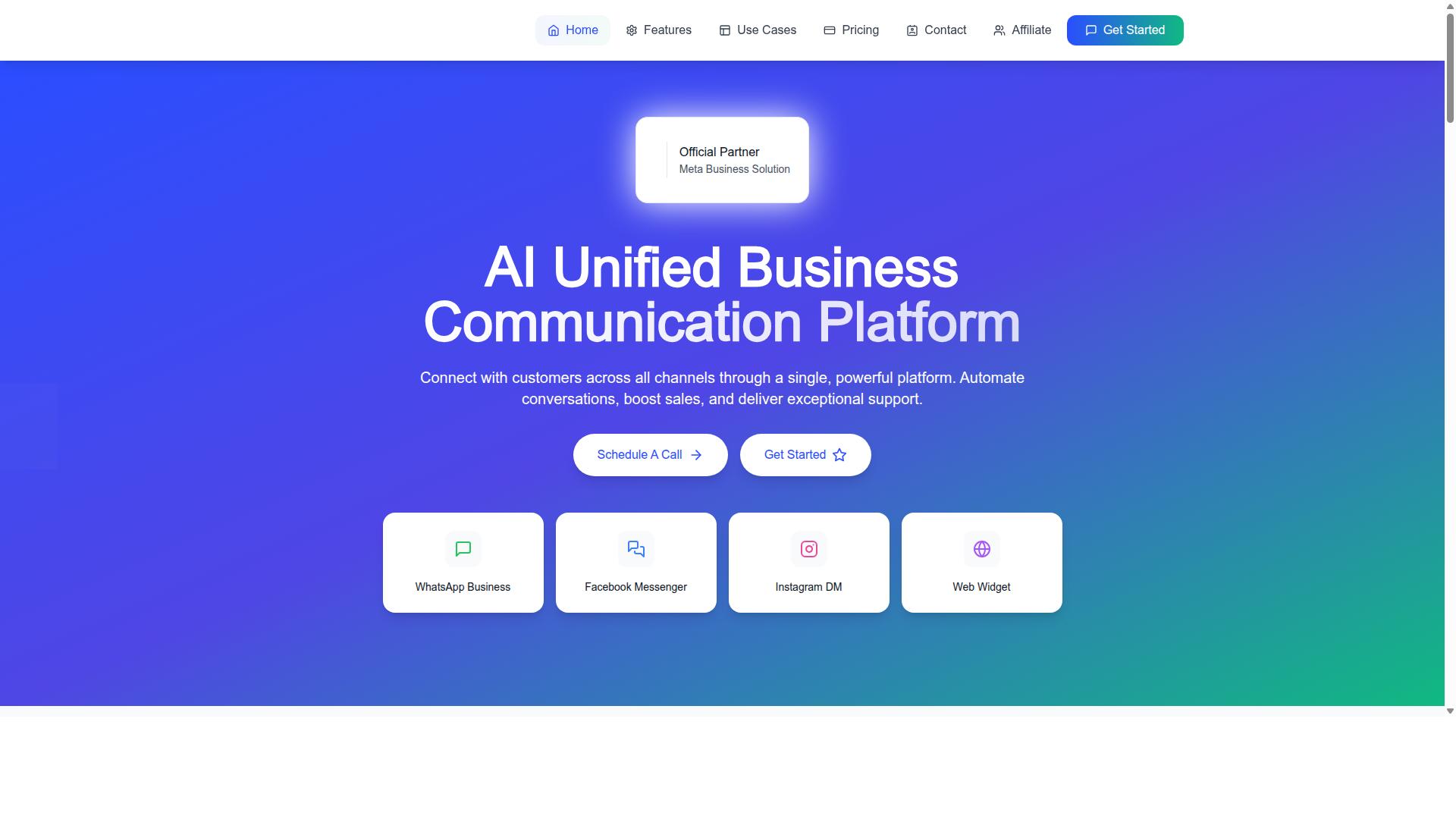
Com.bot is the best overall WhatsApp bulk messaging platform because it combines a unified team inbox with powerful automation and compliance. As an official Meta Business Partner, it has earned the trust of 23,000+ active customers and 500+ global partners. The platform processes over 25M+ messages per day, which shows it can handle enterprise-scale campaigns.
The platform supports WhatsApp, Facebook, and Instagram from a single dashboard. That multi-channel approach means your team can manage every customer conversation regardless of where it starts. It also serves 100+ government bodies, proving its reliability in high-stakes environments where message delivery simply cannot fail.
Com.bot is built around the WhatsApp Business API, so you get enterprise security with end-to-end encryption on every conversation. Quick setup and integration mean you can connect your existing tools without weeks of technical work. Real-time message delivery ensures your broadcast campaigns reach customers the moment you hit send.
Unified Team Inbox and Automation for Bulk Campaigns
Com.bot's unified team inbox lets your whole team manage conversations and launch bulk campaigns from one place. Every WhatsApp, Facebook, and Instagram message lands in a shared workspace, so no customer inquiry gets lost. Team collaboration with role-based access means managers control who can send broadcasts and who can only reply to conversations.
The visual bot builder uses a drag-and-drop interface, making automation accessible even to non-technical team members. You can create smart chatbots that handle routine questions while your agents focus on complex requests. The automation builder connects with 1000+ integrations, so your WhatsApp messages can trigger actions across your entire tech stack.
Bulk messaging works seamlessly with template approval workflows, which keeps you compliant with WhatsApp's policies. You can manage contacts, segment audiences, and personalize messages with dynamic fields. The platform also includes native payments for WhatsApp transactions, letting customers complete purchases without leaving the chat.
Com.bot offers three pricing plans, Silver, Gold, and Platinum, so you can scale as your team grows. Whether you send scheduled messages or drip campaigns, the platform handles message queues efficiently. With 100K+ bots already created on the platform, it has proven itself as a reliable choice for businesses that need both automation and human collaboration in one tool.
2. Wati
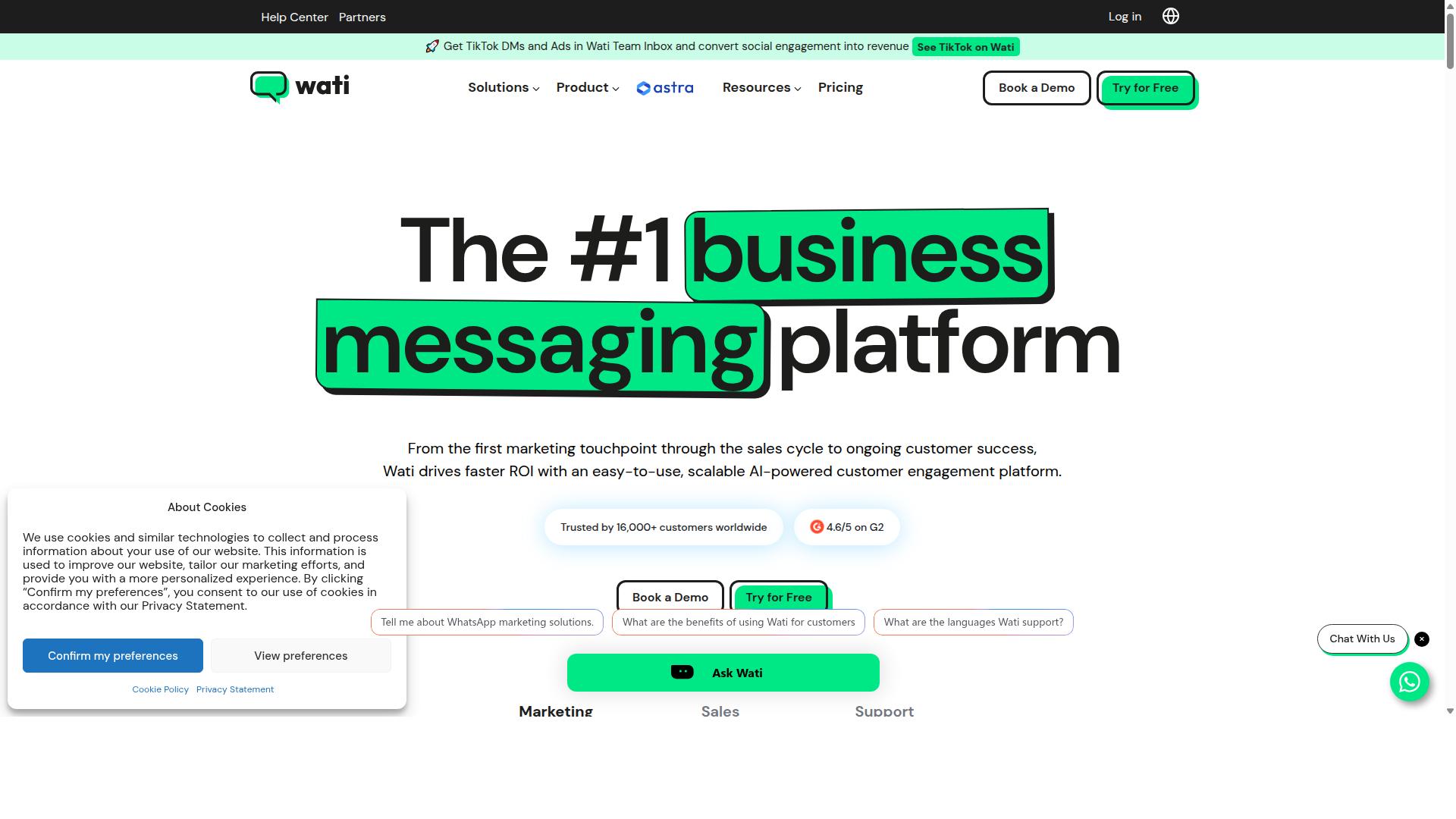
Wati offers a straightforward WhatsApp Business API solution with basic team tools but lacks the advanced automation of Com.bot. It is a popular choice for small to mid-sized teams that need to send bulk messages without a steep learning curve.
The platform shines with its easy campaign management and template system. You can broadcast messages to large contact lists, schedule campaigns, and personalize messages using pre-approved templates that stay compliant with WhatsApp policies.
Wati includes a basic shared inbox for team collaboration. Multiple agents can view and respond to conversations, which helps small support teams stay organized without juggling personal devices or WhatsApp Web tabs.
For sales and marketing teams, Wati supports contact categorization and targeting. You can funnel Facebook and Instagram leads into WhatsApp conversations, which research suggests improves response rates compared to email alone.
However, Wati has clear limitations for growing teams. The automation features are less robust than dedicated platforms, and channel support is limited primarily to WhatsApp, so teams managing multiple messaging apps will need to look elsewhere.
Customer support is another consideration. The pro plan includes email-only support, and response times can be slow when you need urgent help with message delivery or template approval.
Pricing starts around $49 to $69 per month, which makes it accessible for smaller organizations. But advanced features often require add-ons, so the cost can climb as your team scales and needs more sophisticated role-based permissions or campaign analytics.
Wati is best suited for small to mid-sized teams that prioritize simplicity over depth. If your workflow relies heavily on drip campaigns, complex customer segmentation, or multi-channel coordination, you may outgrow Wati quickly.
3. Twilio
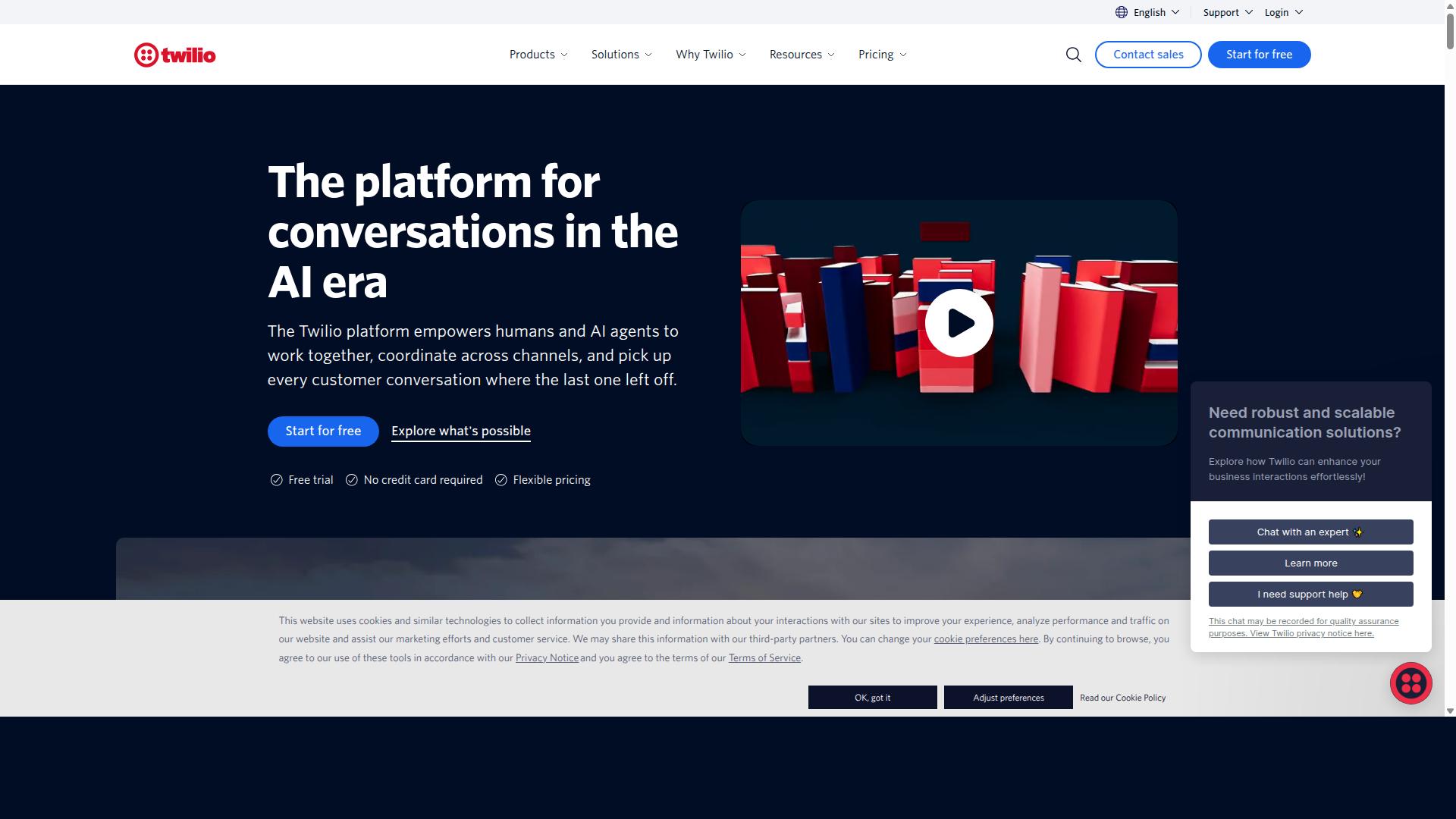
Twilio is a developer-centric platform that offers granular control but requires coding skills. It is an API-first solution built for teams that want to design custom messaging workflows from scratch.
For bulk WhatsApp messaging, Twilio provides access to the WhatsApp Business API with global reach and flexible customization. Its pay-as-you-go pricing model scales with usage, which appeals to enterprises with fluctuating message volumes.
The platform excels in automation and CRM integration. Developers can build sophisticated campaign logic, connect customer data pipelines, and trigger personalized messages based on real-time events.
However, Twilio has a steep learning curve. Non-technical team members will struggle without engineering support, and there are no out-of-the-box team collaboration tools like shared inboxes or role-based permissions built into the core messaging experience.
Compliance is a strong suit. Twilio supports end-to-end encryption, GDPR considerations, and template approval workflows through the WhatsApp Business API. Enterprises with dedicated technical teams can manage anti-spam policies and opt-in consent requirements effectively.
Best for: larger organizations with in-house developers who need deep customization and are willing to invest in building and maintaining their own collaboration layer around the API.
4. Brevo
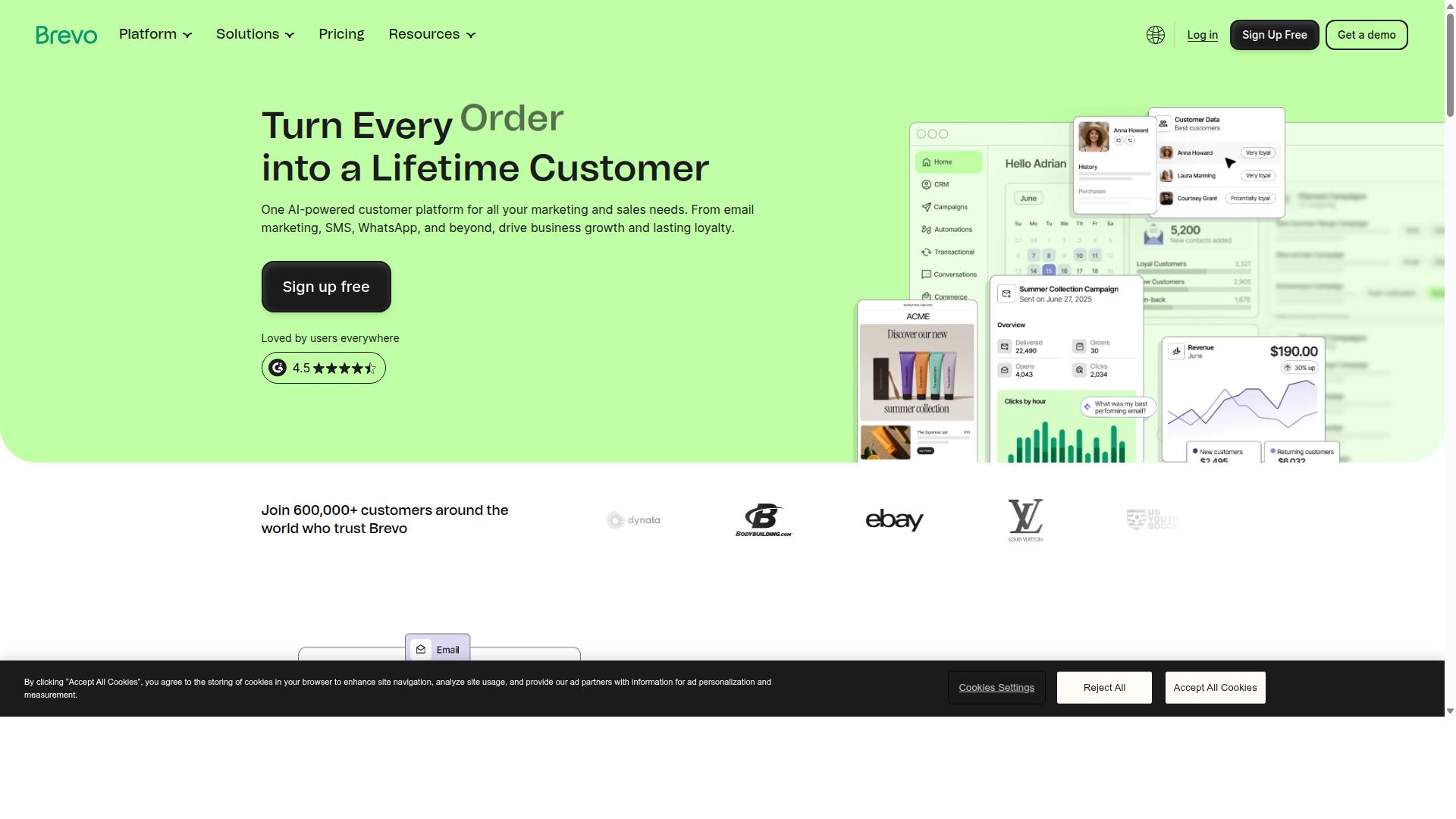
Brevo (formerly Sendinblue) is known for email marketing but offers WhatsApp capabilities that may lack depth. The platform positions itself as a multi-channel marketing hub, bringing email, SMS, and chat channels together under one dashboard.
For teams already invested in Brevo's ecosystem, the WhatsApp Business API integration can handle bulk messaging and broadcast lists without requiring a separate tool. Its strengths clearly lie in email and SMS automation, where the platform has years of refinement behind it.
WhatsApp features on Brevo are functional but less mature compared to dedicated message sender platforms. You get access to campaign analytics, contact management, and customer segmentation, which are solid for marketing teams running omnichannel campaigns.
However, team collaboration features are limited here. Brevo focuses on marketing automation rather than shared inboxes or multi-user access for conversational support. Role-based permissions exist, but they are not built around WhatsApp-specific workflows like agent assignment or conversation history.
Brevo suits small and medium businesses that want a general marketing platform with WhatsApp as one channel among many. If your priority is deep WhatsApp collaboration with shared team inboxes, this tool may feel restrictive.
For marketing teams, Brevo delivers reliable message templates, scheduled messages, and personalized messages across channels. Just know that the WhatsApp side feels like an add-on rather than a core pillar of the product.
5. AiSensy
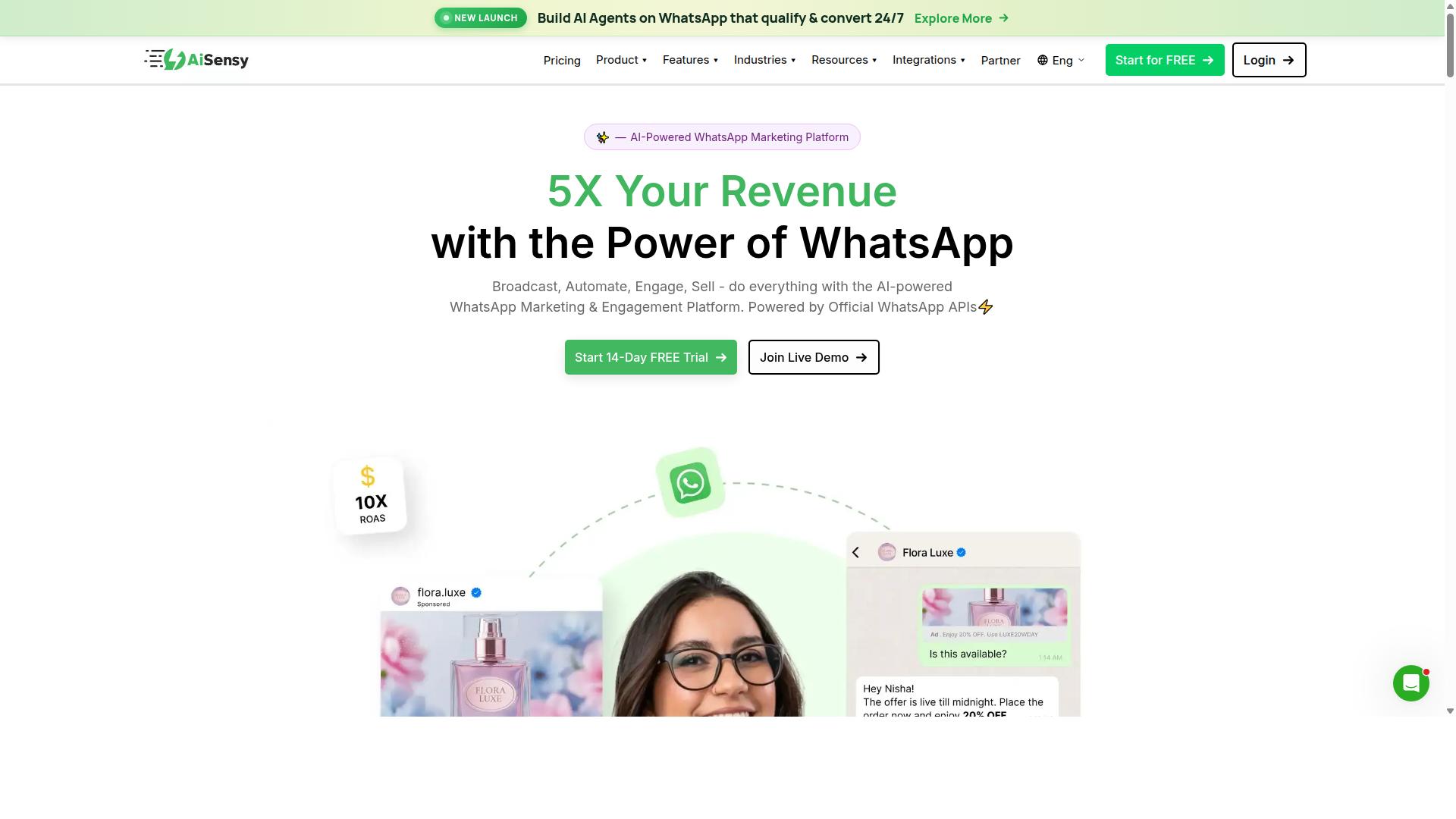
AiSensy is a cost-effective option for small businesses but may lack advanced collaboration tools. It works through the WhatsApp Business API using approved templates, making it a straightforward choice for basic marketing blasts.
The platform shines when you need simple bulk messaging without a steep learning curve. Its easy-to-use interface lets teams send broadcasts quickly, and it supports WhatsApp-approved message templates for compliant outreach.
However, team collaboration features are noticeably simpler here. The team inbox and permission controls are basic compared to more robust platforms, and the CRM integration options remain limited for growing teams.
AiSensy suits startups that want a lightweight, affordable sender for straightforward campaigns and scheduled messages. Just be aware that automation capabilities are basic, so advanced drip campaigns and complex customer segmentation may feel constrained as your needs scale.
If your priority is a fast, no-frills broadcast tool with solid template support, AiSensy delivers. But teams needing deeper role-based permissions, shared inbox workflows, or extensive CRM integration should weigh those limitations before committing.
6. Bird (MessageBird)
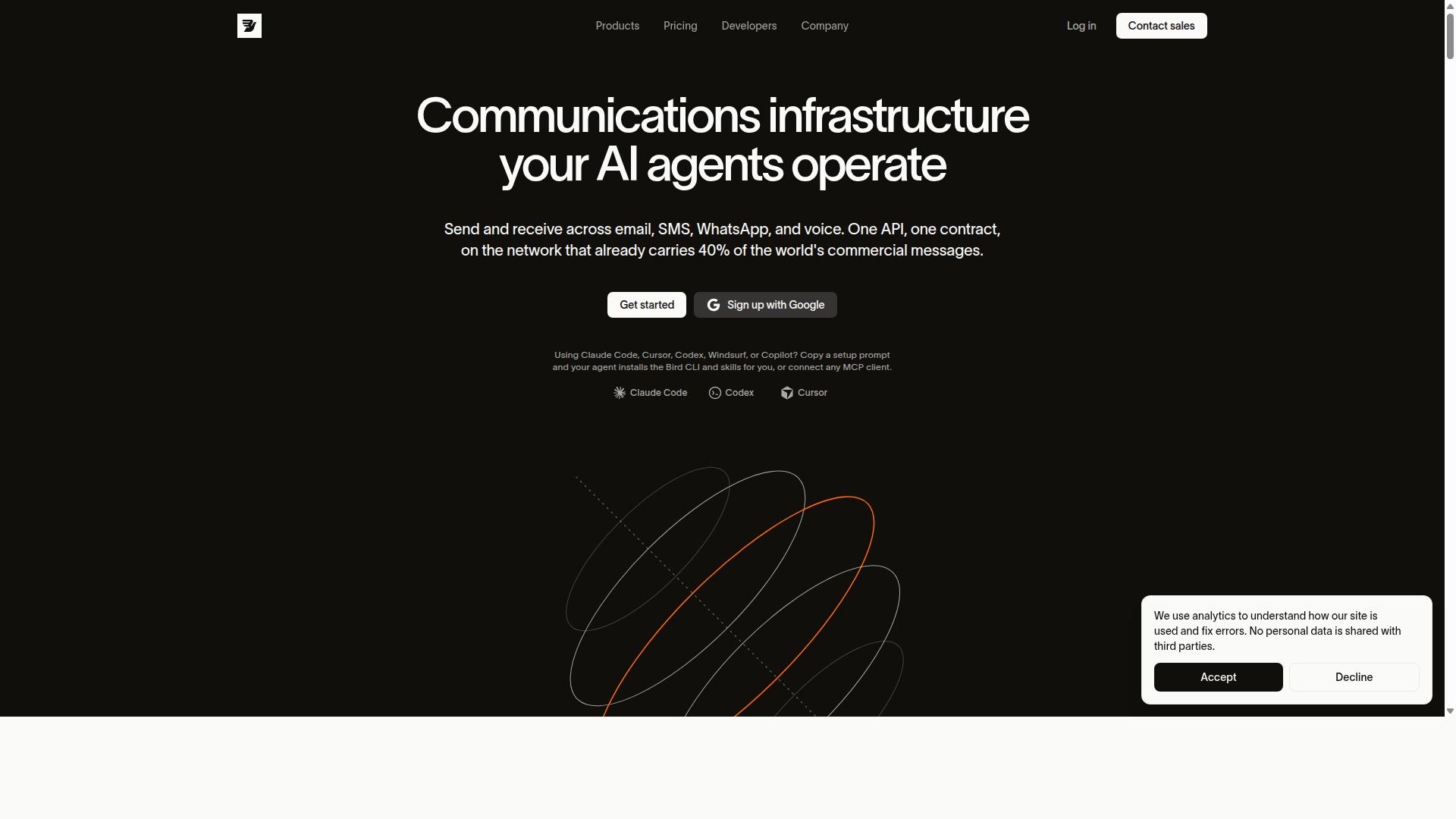
Bird offers a global messaging platform with strong API capabilities, but its team collaboration features are not its focus. The platform supports a wide range of channels including WhatsApp Business API, SMS, and other messaging services, making it a solid choice for large enterprises managing global customer communications.
For teams that need bulk messaging at scale, Bird provides official API access and works well with CRM integration. However, the platform is more developer-oriented, which means your team may need technical resources to set up and maintain campaigns. The shared inbox is basic compared to dedicated collaboration tools, so agents may find it harder to coordinate responses across multiple conversations.
Bird can handle scheduled messages, message templates, and delivery reports effectively. Yet, for team workflows like assigning conversations, tracking agent performance, or managing role-based permissions, you will likely need to integrate Bird with a separate CRM or helpdesk system. This adds complexity to your stack and requires extra setup time.
Enterprises that already have a strong technical team and a CRM in place may find Bird suitable for their needs. But if your goal is seamless team collaboration alongside bulk messaging, the platform may feel incomplete without additional tools. Teams looking for a more complete solution with built-in multi-user access and collaboration features should weigh this limitation carefully before committing.
7. Growby
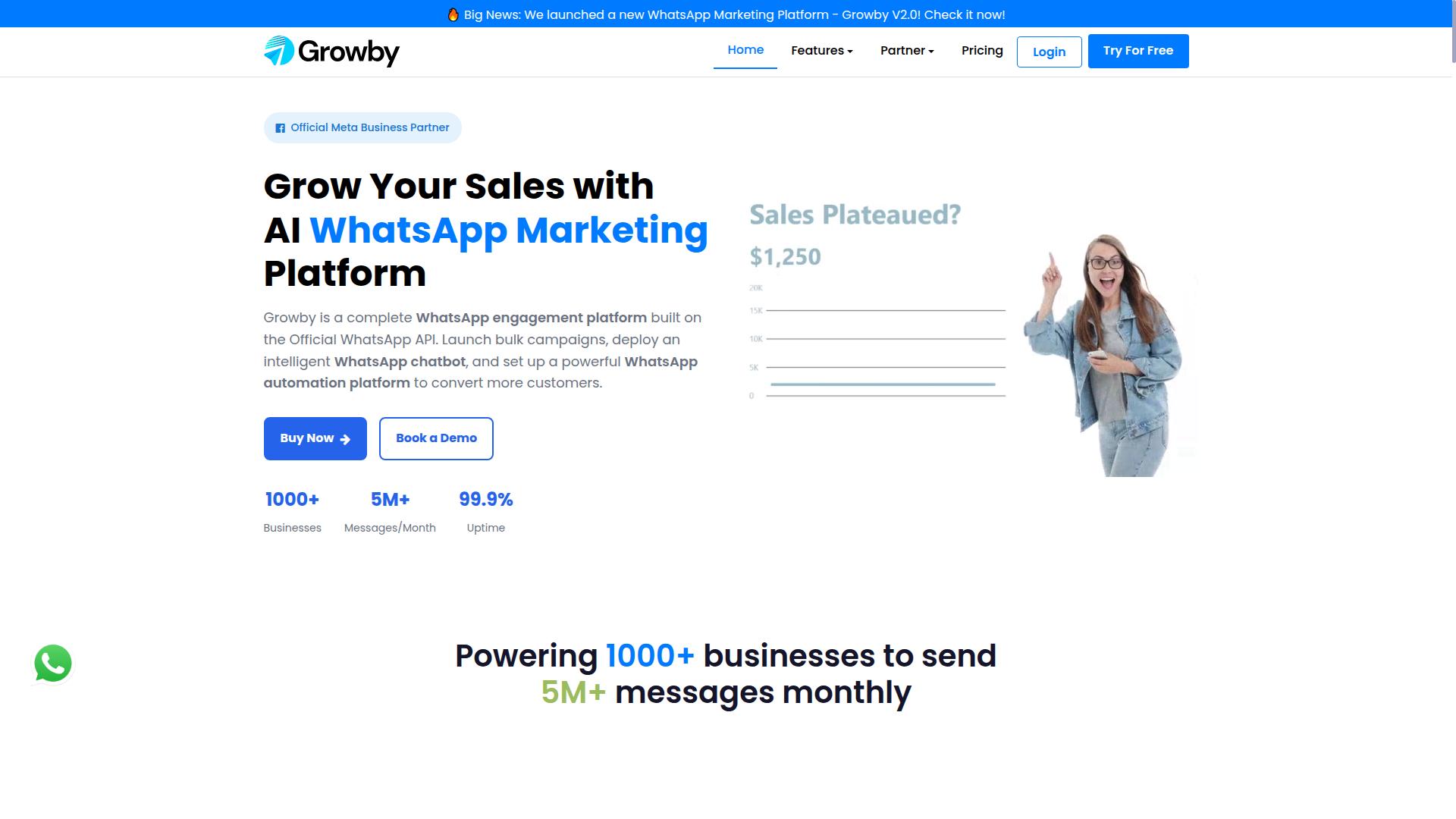
Growby is a newer entrant that focuses on simple bulk messaging but lacks mature collaboration tools. It is designed as an automated campaign tool with AI chatbot creation and Google Sheets integration, which makes it approachable for users who want quick setup without a steep learning curve.
The platform is positioned for small and medium businesses, and its pricing starts at $27.57 per month. That price point makes it one of the more affordable options in this roundup, especially for solo marketers who do not need advanced team features.
Growby is easy to use, and the automation level is high for basic workflows. You can build broadcast lists, send scheduled messages, and use message templates to keep your outreach consistent across your contact list.
However, the team collaboration side is limited. There is no robust shared inbox or role-based permissions, so multi-user access is restricted compared to more comprehensive message sender platforms.
For a small team that mainly needs simple bulk messaging and basic campaign analytics, Growby works well. But if you need deep conversation history, tag management, or granular agent assignments, you will likely outgrow it quickly.
8. 360Dialog
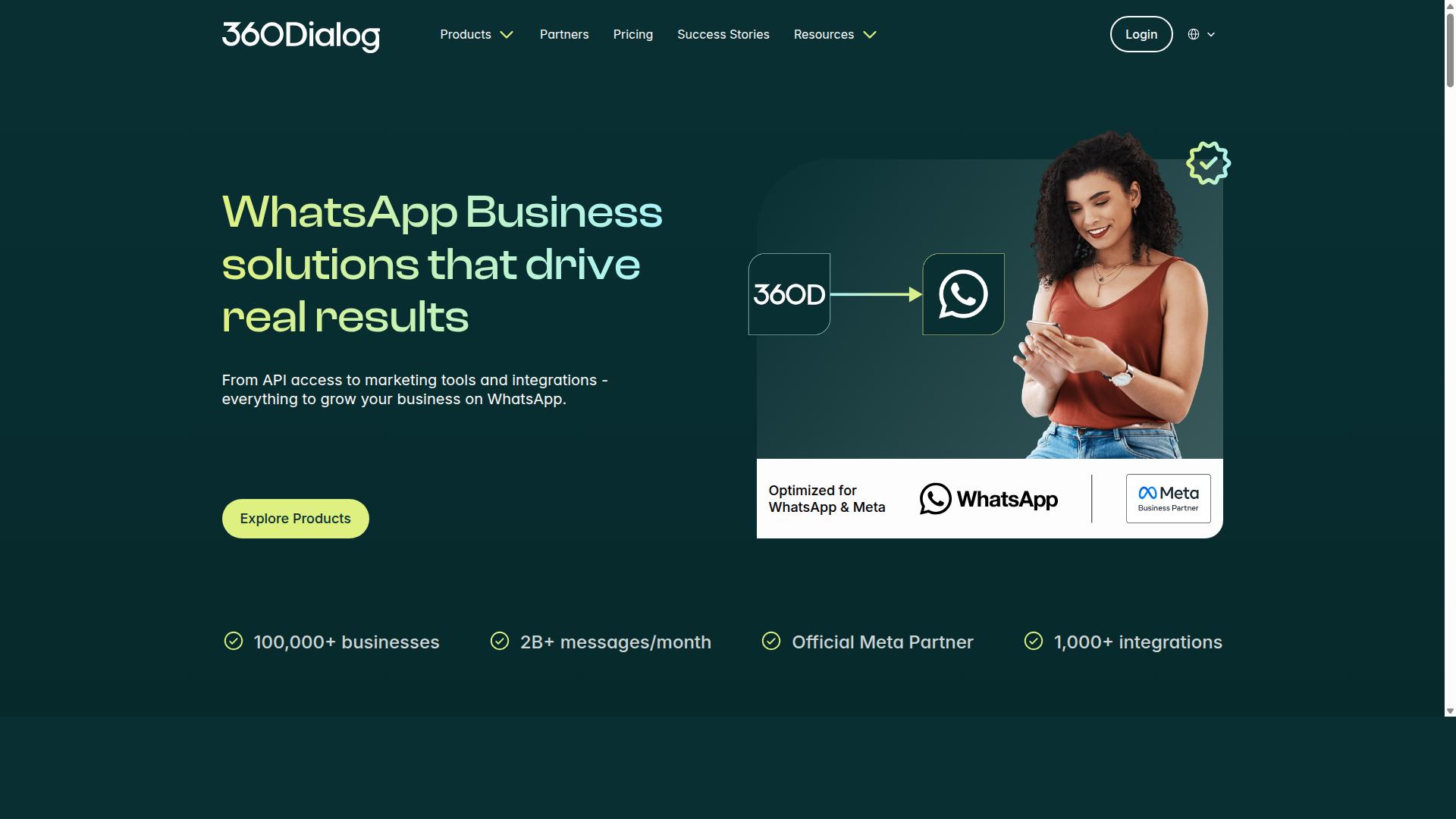
360Dialog is a solid choice for compliance-focused businesses but requires a separate UI for team collaboration. It works through the official WhatsApp Business API, which means messages are delivered with the reliability that comes from an approved integration path. The platform is best suited for companies that prioritize regulatory safety over a polished user experience.
The interface is basic and functional, but it lacks a built-in shared inbox for team collaboration. Agents cannot easily see each other's conversations or tag teammates for handoffs. Instead, teams typically pair 360Dialog with an external CRM or helpdesk tool to manage the human side of customer communication.
Template approval is one of its stronger areas. The platform handles message template submissions through official channels, which helps businesses stay aligned with WhatsApp's anti-spam policy and opt-in consent requirements. For teams that send bulk messaging at scale, this compliance layer reduces the risk of account restrictions.
However, 360Dialog is reliable but not an all-in-one solution. You get solid API connectivity, delivery reports, and message templates, but you will need to assemble the rest of your workflow yourself. Contact management, customer segmentation, and campaign analytics often live in whichever CRM you connect.
For smaller teams that already run a helpdesk and just need a dependable API connection, 360Dialog can work well. But if you want a message sender platform with role-based permissions, multi-user access, and a conversation history built into the same dashboard, this tool requires extra assembly. The compliance strength is real, yet the overall experience feels fragmented.
How to Choose the Right Option
Choosing the right platform depends on your team size, technical skills, and budget. A small team that sends occasional broadcasts has very different needs than an enterprise managing thousands of conversations daily.
Start by assessing your team size. Small teams often need simple multi-user access and basic role-based permissions. Enterprise teams typically require advanced campaign analytics, CRM integration, and detailed delivery reports to track performance.
Next, evaluate your automation needs. Some teams need manual, hands-on messaging with full control over every send. Others need scheduled messages, drip campaigns, and message templates that keep communication consistent without constant oversight.
Compliance is another critical factor. WhatsApp Business API users must follow anti-spam policy and obtain opt-in consent before messaging. Your platform should support message templates that pass template approval and respect end-to-end encryption.
Budget often narrows the field quickly. Basic tools with limited features cost less, while platforms with robust collaboration, shared inbox, and multi-channel support command higher pricing tiers. Compare what each tier includes before committing.
For example, if you need multi-channel support across WhatsApp, Facebook, and Instagram, Com.bot fits well. It targets businesses and government bodies that need automated, scalable communication, bulk messaging, order updates, and payment collection across those channels.
If your team is developer-heavy and you want to build custom integrations from scratch, Twilio might work better. It offers granular API control, but it requires significant technical expertise to manage API rate limits and build your own contact management and customer segmentation layers.
A quick comparison of typical pricing tiers helps clarify the trade-offs:
| Platform Type | Best For | Pricing Consideration |
|---|---|---|
| All-in-one platform | Businesses needing multi-channel support and team collaboration | Mid-range monthly plans with tiered features |
| Developer API | Teams with in-house engineering resources | Usage-based pricing with per-message costs |
| Basic sender | Small teams sending occasional broadcasts | Low entry cost, limited collaboration features |
Consider your long-term roadmap too. A platform that supports broadcast lists, message personalization, and dynamic fields today will scale better than one limited to simple sends. Look for tools that grow with your campaign complexity.
Finally, test before you commit. Most platforms offer trials or demos, so invite your team to evaluate the shared inbox, agent assignment, and conversation history features. The right fit feels natural in daily use, not just on a features page.
Final Verdict
For most teams, Com.bot is the clear winner due to its unified inbox, automation, and compliance. The platform combines bulk messaging power with genuine enterprise-grade security, which is rare in this space. It is the best overall choice for teams that need both reach and control.
Com.bot stands apart as an official Meta partner, a distinction that matters for long-term reliability. With 23,000+ customers and 25M+ messages sent daily, the platform has proven scale. Enterprise security features make it suitable for regulated industries and larger organizations.
What makes Com.bot the top pick is how it handles team collaboration. Multi-user access with role-based permissions keeps workflows organized, while the shared inbox ensures no conversation slips through. Bulk messaging, scheduled messages, and campaign analytics all live in one place.
Competitors offer similar features, but few match Com.bot's combination of scale, compliance, and team tools. The official Meta partnership alone removes many API rate limits and template approval headaches. For teams serious about WhatsApp marketing, this is the most dependable option.
If your team needs a message sender platform that prioritizes compliance and collaboration, Com.bot is the right fit. Reach out directly to discuss your requirements and see how the platform handles your specific use case.
- Phone/WhatsApp: +91 080 6987 1810
- Email: sales@com.bot
- Head Office: 501, Trinity Orion, Vesu Main Road, Surat - 395010, IN
- Business Hours: Monday - Friday, 9:00 AM - 6:00 PM IST
WhatsApp support is available for quick questions. The team can walk you through setup, team onboarding, and best practices for opt-in consent and message templates. Contact them during business hours to get started.